
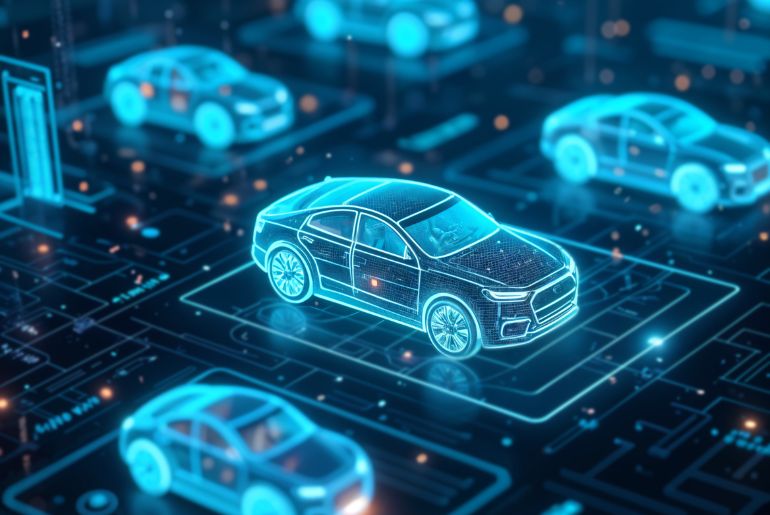
The world is standing at the edge of a major transportation revolution. By 2025, mobility is no longer just about cars, buses, or trains—it’s about electric everything. From personal vehicles and public transit to scooters, delivery vans, and even heavy-duty trucks, the shift to electrification is accelerating at an unprecedented pace. This transition is powered by advances in technology, environmental concerns, government incentives, and changing consumer behaviors. Just as the internet reshaped communication, electric mobility is transforming the way humans and goods move across the globe.
Interestingly, the rise of electrification mirrors digital adoption in other industries, where convenience, innovation, and sustainability take the spotlight. In fact, enthusiasts compare this disruption to digital platforms like togelslot88 login, which transformed entertainment by offering quick, seamless access to services online. Mobility, like digital ecosystems, is becoming smarter, faster, and more accessible.
1. The Rise of Electric Vehicles (EVs)
In 2025, electric vehicles are no longer niche. Automakers across Europe, Asia, and North America have embraced full-scale electrification. Tesla, BYD, Hyundai, Volkswagen, and dozens of new startups dominate markets with increasingly affordable EVs. Battery costs have dropped significantly compared to a decade ago, making EVs competitive with internal combustion engine (ICE) vehicles.
Consumers are drawn to EVs not only for sustainability but also for performance. Instant torque, lower maintenance, and advanced in-car technology redefine the driving experience. Governments in many regions have even set deadlines to ban ICE vehicles within the next decade, ensuring EVs remain the central focus of automotive innovation.
2. Charging Infrastructure: From Challenge to Opportunity
A key trend in 2025 is the rapid development of charging infrastructure. Previously, range anxiety was one of the biggest concerns preventing EV adoption. However, new charging stations, ultra-fast chargers, and wireless charging technologies are solving this barrier.
Major cities now integrate charging points into shopping malls, offices, residential areas, and even lamp posts. In some regions, mobile charging vans provide on-demand services to drivers in need. Furthermore, companies are experimenting with vehicle-to-grid (V2G) systems, allowing EVs to feed electricity back to the grid during peak hours—turning cars into mobile energy storage units.
3. Electric Micromobility and Urban Shifts
Beyond cars, micromobility has taken off. Electric scooters, bikes, and skateboards are now mainstream in urban centers. These small but efficient modes of transport reduce congestion, cut emissions, and offer affordable last-mile solutions. Cities like Paris, Singapore, and Los Angeles have expanded bike lanes, green corridors, and charging hubs to support this trend.
Micromobility also integrates seamlessly with digital platforms. Just like users log into services such as togelslot88 login to play online, commuters use apps to rent e-bikes, pay digitally, and track usage in real time. The blending of transportation with digital convenience is redefining daily commutes.
4. Electrification of Public Transit
Public transit is also going green. By 2025, electric buses, trams, and metro systems dominate in major metropolitan areas. Governments invest heavily in reducing emissions, particularly in densely populated cities plagued by air pollution.
Electric buses not only improve air quality but also cut operational costs in the long run. Autonomous shuttles powered by electricity are being tested in “smart city” pilot projects, promising safer, faster, and more efficient commuting.
5. The Future of Logistics and Delivery
E-commerce and on-demand services have exploded in recent years, and logistics companies are under pressure to reduce their carbon footprint. In 2025, most delivery fleets—whether vans, drones, or even cargo bikes—are electric.
Electric trucks are becoming viable thanks to improved battery density and fast-charging stations on highways. Startups are innovating with battery swapping, allowing trucks to replace depleted batteries in minutes. The shift not only saves fuel costs but also aligns with global sustainability goals.
6. Policy, Regulation, and Global Push
Governments worldwide are introducing stricter policies to accelerate the adoption of electric mobility. From subsidies and tax rebates for EV purchases to penalties for polluting vehicles, regulatory frameworks are shaping the market. The European Union, for example, has outlined ambitious carbon-neutral targets, while countries like China and India are scaling up EV manufacturing to meet domestic and export demands.
Additionally, investments in renewable energy ensure that electric mobility complements broader environmental goals. Charging an EV with coal-generated electricity would defeat the purpose; hence, solar, wind, and hydro are being integrated into national grids.
7. Consumer Behavior and Lifestyle Changes
One of the most fascinating aspects of electric mobility in 2025 is how it’s reshaping lifestyles. Car ownership is declining in some urban centers, replaced by subscription services or ride-sharing platforms that exclusively use electric fleets. Younger generations prioritize sustainability and convenience over owning a personal vehicle.
Furthermore, connected mobility apps are emerging, where users plan, book, and pay for multi-modal transport within a single interface. Whether it’s an e-bike ride, an EV rental, or an autonomous shuttle, the entire journey is managed digitally. Much like togelslot88 login, mobility services are designed to be frictionless and always available.
8. Challenges Ahead
Despite the rapid growth, challenges remain. Battery recycling is still in its early stages, and concerns about raw material sourcing (like lithium and cobalt) raise ethical and environmental questions. Rural areas lag behind cities in infrastructure development, and global adoption rates differ widely depending on economic status.
Cybersecurity also emerges as a new challenge. With vehicles increasingly connected, the risk of hacking and data breaches cannot be ignored. Policymakers, manufacturers, and tech firms are collaborating to ensure security standards keep pace with innovation.
Conclusion: A Fully Electric Future
The year 2025 represents a tipping point where electric everything is no longer a dream but a reality. From private cars and public buses to scooters and delivery trucks, electrification is setting the stage for a cleaner, smarter, and more efficient future. The ripple effects of this transformation will extend beyond transportation, influencing energy, technology, urban planning, and even cultural habits.
Just as digital platforms like togelslot88 login simplified access to entertainment, electric mobility simplifies how people move, connect, and live. The journey is far from over, but one thing is clear: the world is plugged into a future where mobility is electric.
Read Also: Perkembangan AI di Dunia Koding dan Respon yang Harus Kita Siapkan
Recent Comments